Scenes from multiple collections to cart
⋆˙⟡
UP42 is a geospatial data provider, which is essentially imagery of the earth. They can do that by purchasing existing imagery (catalog) or request new imagery (tasking)
Our catalog customers required a way to add scenes from multiple collections to their cart. They also told us they have had major issues with the cart itself.
I worked on this project as a Senior Designer with the Catalog product, which a part of the UP42 ecosystem. We iterated on the Add to Cart Flow which resulted in an over 100% increase in orders YoY.
Product Designer, UP42
Role & Responsibilities
As the Senior Product Designer on the project I worked end to end. From validation of the problems right through to design & validation. As always I was present for handover and build as well as watching and waiting to see the success metrics. I worked over a period of two and half sprints with a Product Manager and a Senior Frontend Engineer.
Problem definition
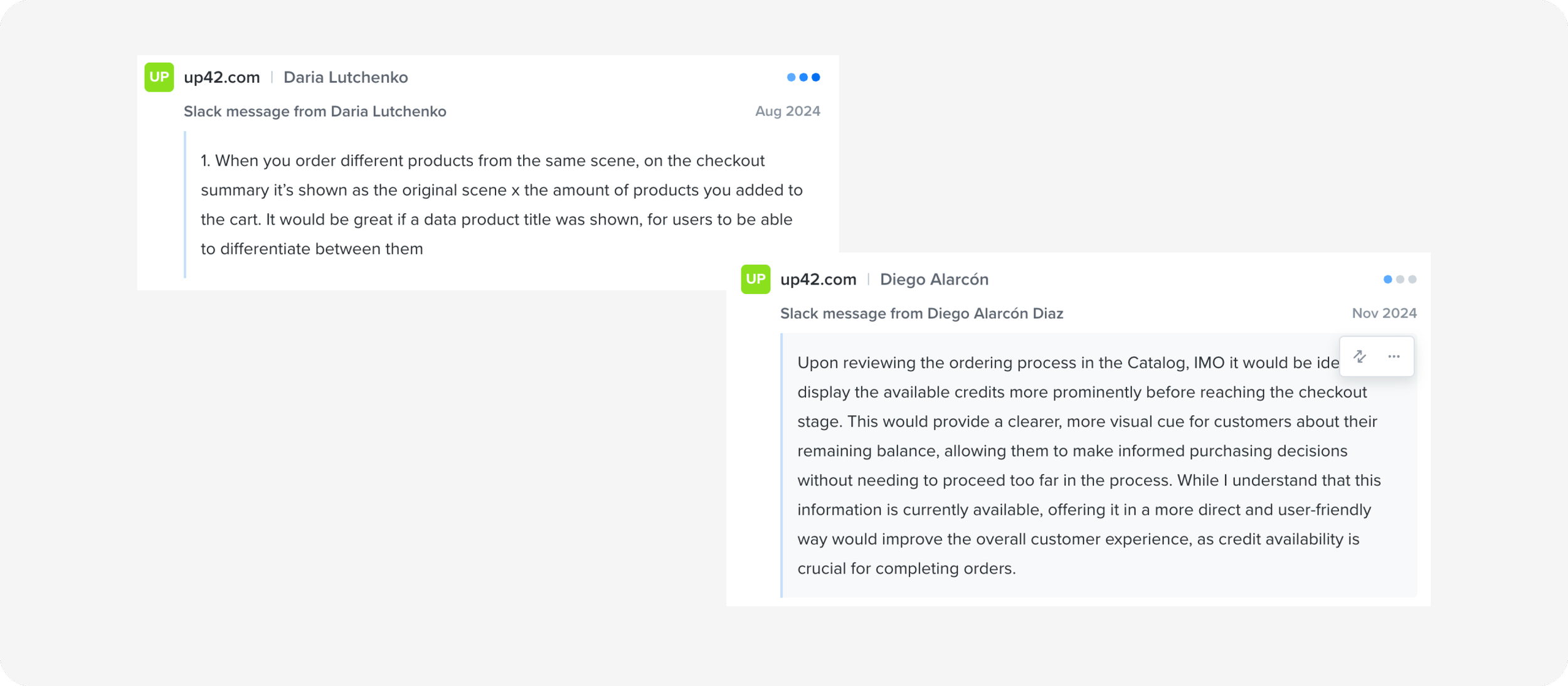
This project mattered as we received feedback saying users were confused about the cart itself, being limited in the types of data they were adding to the cart as well as an unnatural user journey when selecting imagery data products. The Cart and Add to Cart flow is critical to the revenue of UP42 and for the user they need much clearer comprehension of the data grouping they’re acquiring.
We initially discovered this problem by looking at feedback we had been receiving through our customer service team and key account representatives. I noticed a patterned and decided to jump into a deeper dive to validate the issues we were seeing from some of our customers.
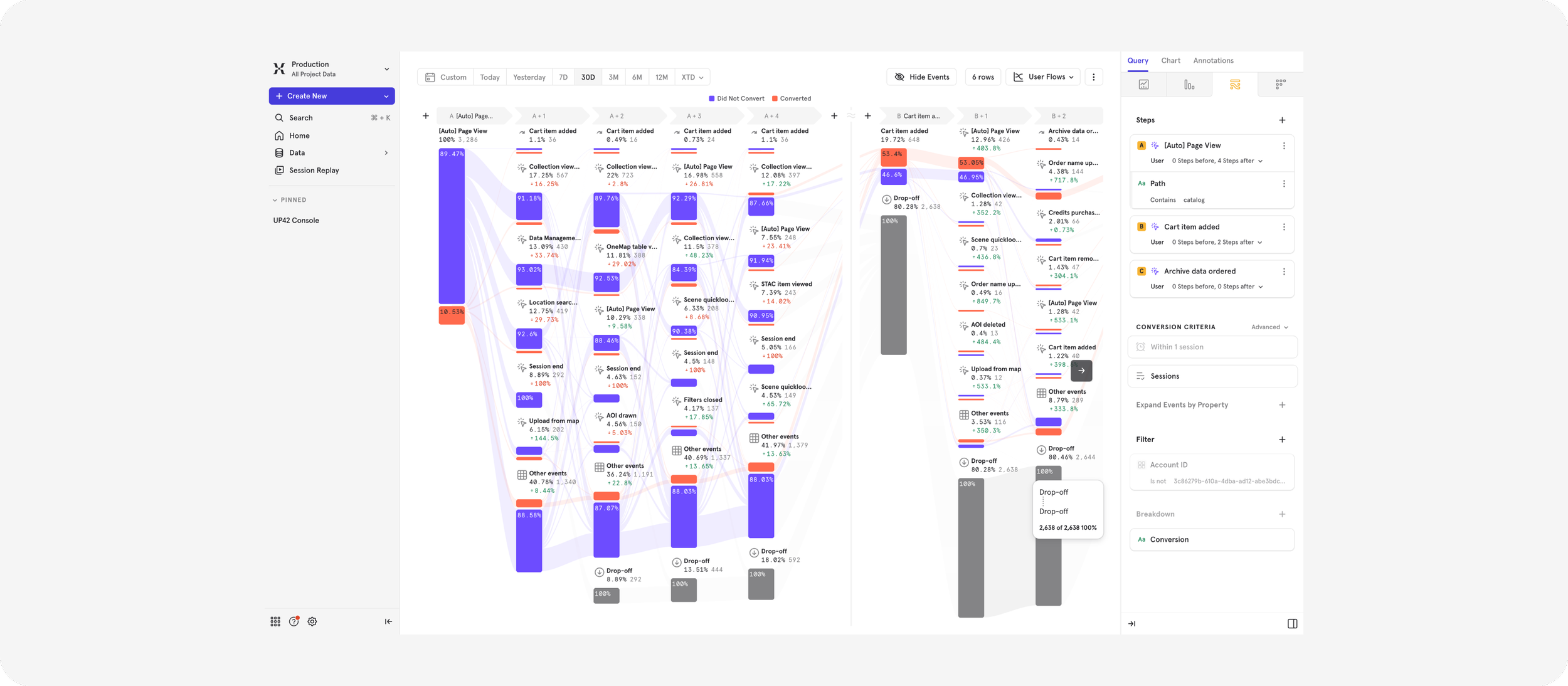
I did this by running a small discovery session with some of our customers as well as looking into data from tools like Mixpanel to Productboard. I was looking to see things like user journeys where I could understand abandonments and frustrations as well as more qualitative feedback from our users.
Goal
I developed this Experience Design Metric;
“If we do a great job designing, implementing and delivering an improved Add to Cart flow, we will improve a the acquirers life by seeing higher conversion and less abandoned journeys”
Research Summary
My research activities were;
Key customer interviews to hear more the issues they had reported
Dive into Mixpanel to see if there is any data to validate these issues
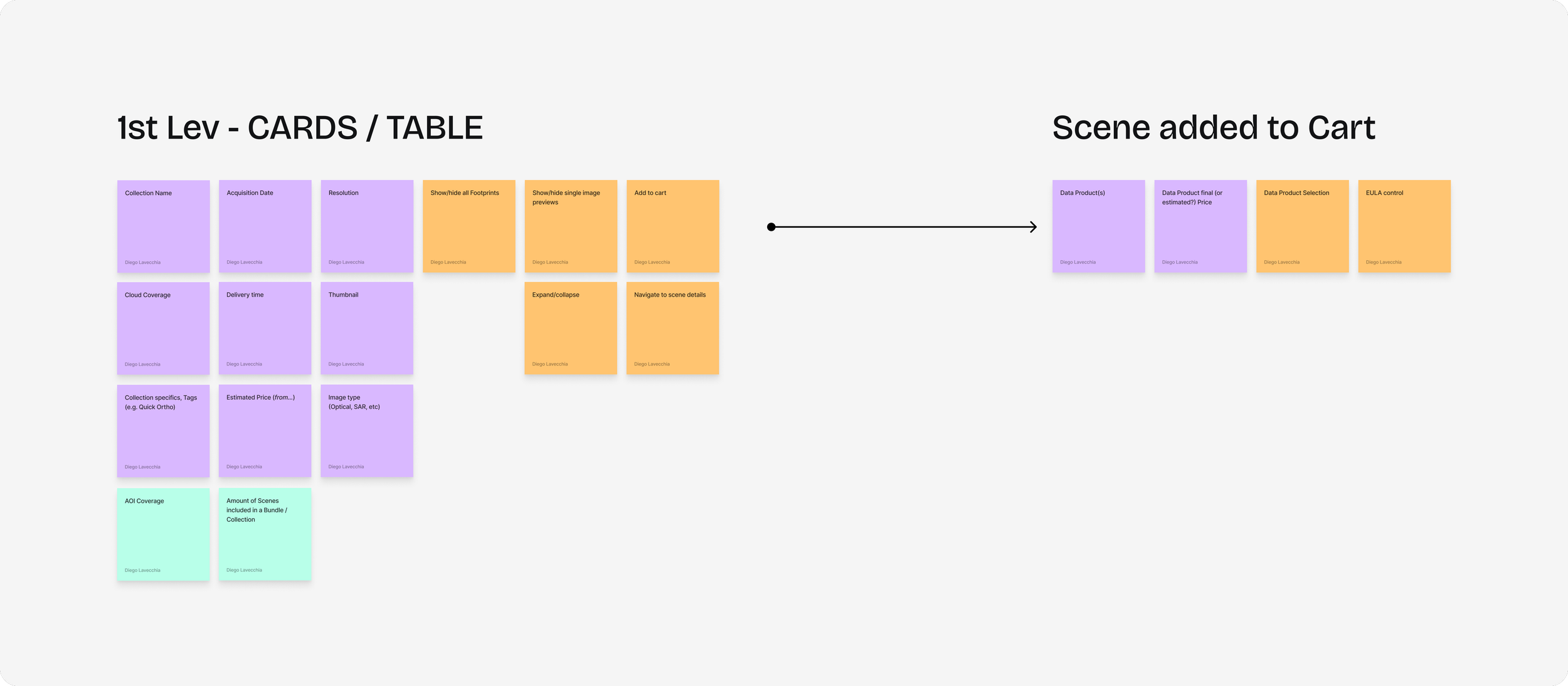
Synthesis these insight into actionable design requirements
After synthesising the research I was able to define the following issues for users;
User has to select the data product for each scene separately within the same collection even if all orders would be for the same product
It’s not clear which scenes are already in the cart. After scenes have been added the previews are not kept on the map
Scenes in the cart have no hover functionality to display previews on the map. User has to click on the preview which also changes the list view
Key Design Decisions
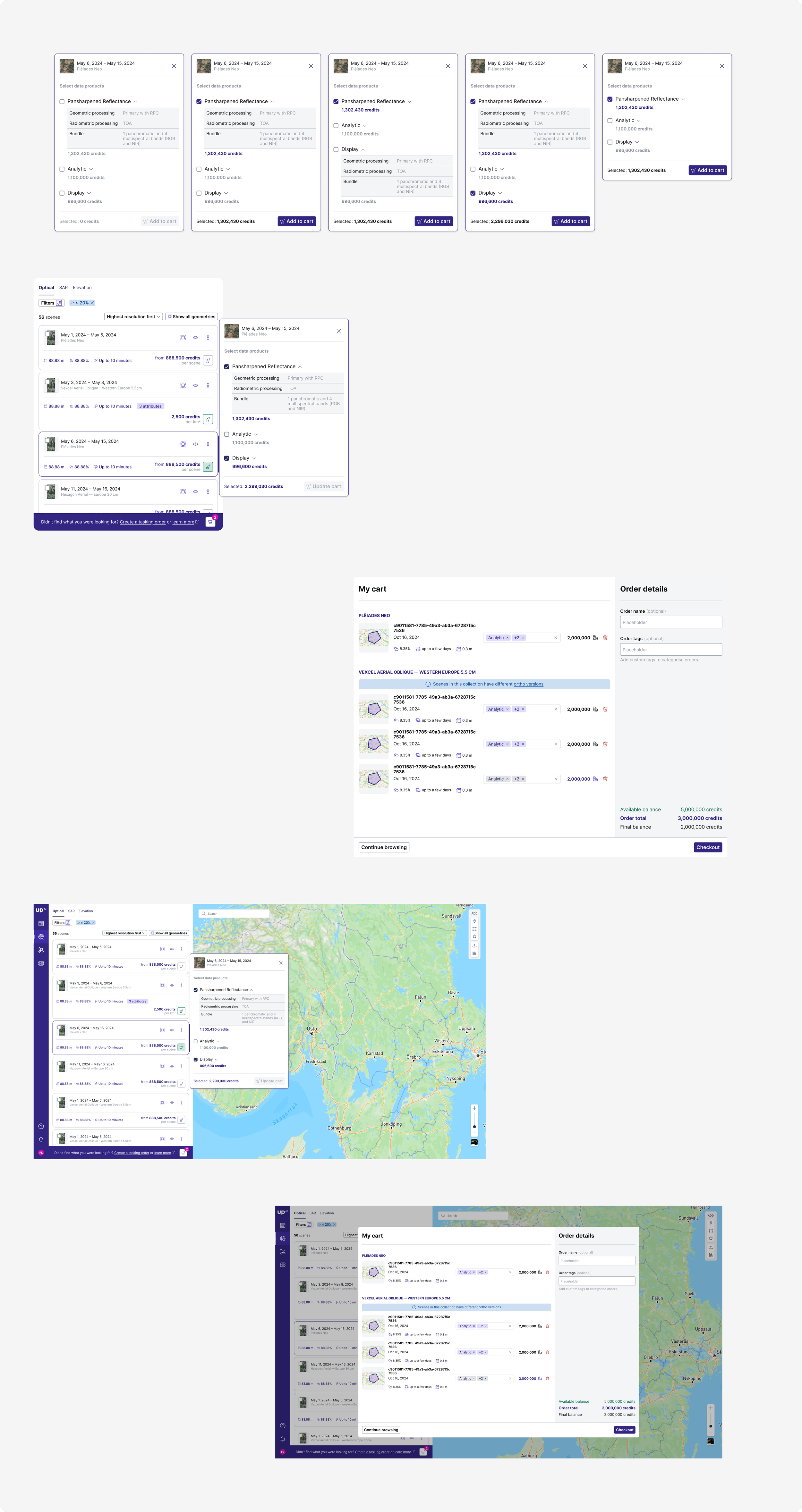
The key insights developed as “A customer needs to be able to;
add images from multiple collections”
select a Data Product from the main collection page”
see correlation between item in cart and the map”
see the preview of the image to have a clear idea of what data it is”
Final Designs
Validation & Outcomes
When looking at outcomes we reminded ourselves of out Experience Design Metric
“If we do a great job designing, implementing and delivering an improved Add to Cart flow, we will improve a the acquirers life by seeing higher conversion and less abandoned journeys”
After some time of ‘waiting and watching’ we were able to determine we indeed had higher conversations.
“I'd say the 100+ % increase in amount of orders YoY and definitely the CSAT score which is amazing 91%, this is determined as a successful feature iteration” - Product Manager
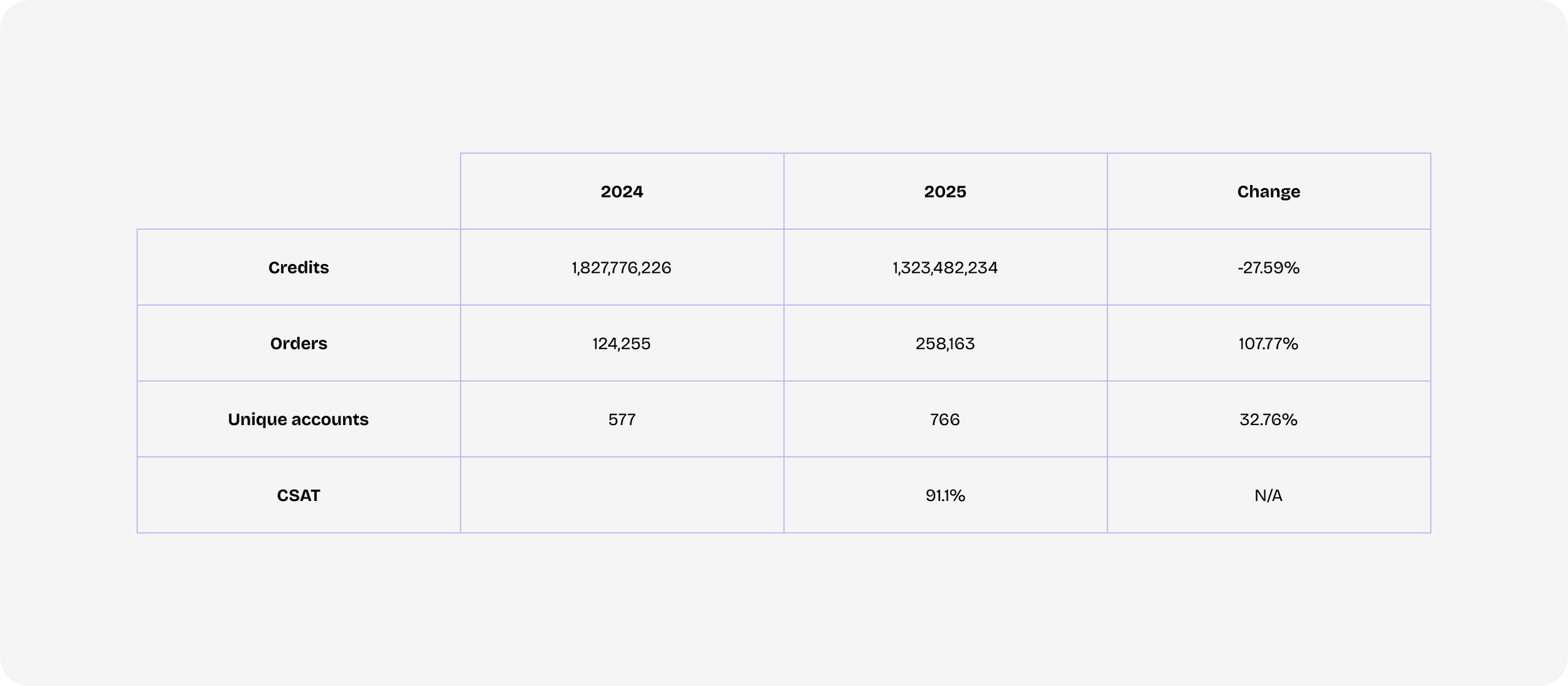
Results pulled from Mixpanel
Final Reflection
For me I was able to complete this project with a feeling of success and satisfaction. As always I learned new things, one being even though out product is not “normal” it does not mean we cannot use design norms, I had intended to use a different design for the car however a traditional cart design was enough. Personally, this project was a nice reminder that the last 20% of project can be the hardest and asking for help is always a great idea.